
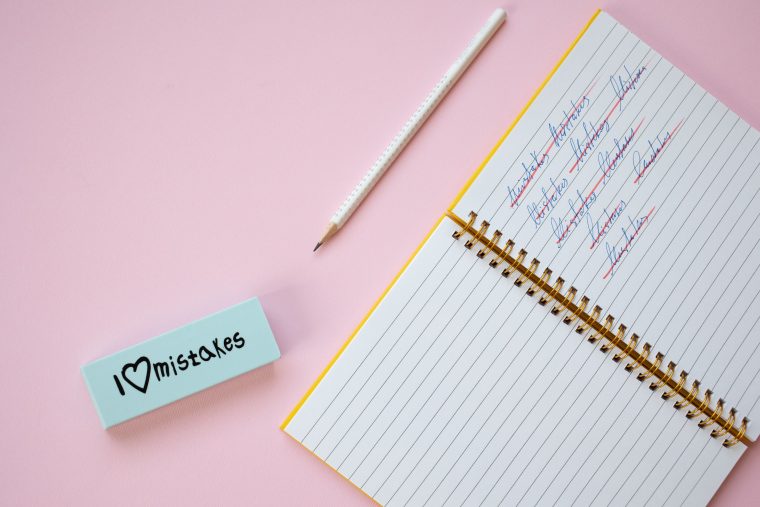
Every year lakhs of aspirants lose precious marks in competitive exams, not for not knowing the answer but for a silly mistake. A misread question, a miscalculation, or a wrongly filled OMR bubble—these “silly mistakes” can be the difference between a top rank and a missed cutoff. The good news is that they are almost entirely preventable once you understand why they happen and build the right habits around your preparation.
Why Do Silly Mistakes Happen?
- Hurried questions
Many students will rush through the paper under exam conditions to ‘save time’ for later questions. When we speed-read, our brains start skipping words like “not,” “except,” and “least.” This totally changes the meaning of a question. Speed without control almost always leads to mistakes that might have been avoided.
- Misreading/Skimming the questions.
Competitive exams are designed to be deliberately tricky. A decimal point, a unit (cm vs. m, kg vs. g), one word left out, and a correct method can give a wrong final answer. Many students have a clear understanding of the concept but lose marks as they didn’t read the question properly.
- Calculation errors
Simple arithmetic errors like wrong carryover, misplaced negative signs, or punching the wrong number in the calculator are very common, especially in quantitative and reasoning sections. These are often not mistakes of ignorance, but mistakes of mental fatigue or of trying to do the arithmetic too fast in your head.
- Poor Time Management
You panic if you don’t have much time. Students begin marking answers in a hurry. They don’t recheck or misalign the answers on the OMR sheet. One of the biggest hidden causes of silly mistakes is a bad pace through the exam, making you rush your decisions in the last minutes.
- Mental exhaustion and inability to concentrate
Long exams require sustained concentration. Fatigue sets in and a natural decline in attention to detail occurs, which raises the chances that a student will miss minor but crucial details in the latter parts of the paper.
Practical Methods to Avoid Silly Mistakes
Read Each Question Twice
As a rule, read each question at least twice before attempting to answer it. The first read gives you the gist; the second helps you pick out keywords like “not,” “always,” or “except” or specific units that change the entire meaning.
Read Actively, Not Passively
As you read, underline or mentally highlight important terms and numbers. This keeps your brain working and not skimming on auto-pilot, where most misreading occurs.
Step-by-Step Solutions Working with Calculations
Here’s a quick way to find out what your house is worth. Do rough intermediate steps on scratch paper, even if they seem trivial. This greatly reduces arithmetic errors, especially if you are under time pressure.
Follow a Stringent Time-Allocation Plan
Before you start practice tests, map out your total exam time across sections or question blocks, and stick to it. Knowing how long to spend on each section helps you avoid the last-minute panic that leads to careless mistakes.
Begin With The Easy Questions
Answer the questions you know correctly right away. This gets things going and makes you feel less anxious so you’re more relaxed and more accurate when you get to the harder questions later.
Always Find Time to Review
In the last 5-10 minutes, only review your answers and check the OMR sheet (or final submission, in case of online exams). A quick review is often where you catch errors that you missed the first time.
Take regular timed mock tests
Mock tests are the best to simulate the pressure of a real exam. Reviewing your mistakes after each mock—and yes, the silly ones too—will help you spot patterns, whether it’s a certain type of question or a certain point in the exam when you start to make more mistakes.
Try Mindful Breathing Before and In the Test
Taking a few deep, slow breaths before you start and during stressful parts of the exam can relax your nervous system and help you to refocus, so you’re less likely to make hasty, careless decisions.
Building a Habit of Accuracy
Avoiding silly mistakes isn’t about one trick—it’s about building consistent habits during your preparation so that careful reading, systematic calculation, and calm time management become second nature by exam day. Structured mock tests and personalized feedback can make a huge difference here, which is the kind of support platforms like Testegy aim to provide—helping the aspirants identify their error patterns early through detailed mock test analysis so that the same silly mistakes don’t repeat on the actual exam day.
Final Thoughts
Silly mistakes are not necessarily about intelligence; they are about habits, about pace and pressure management. Slowing down enough to read carefully, writing down your work, pacing yourself, and practicing consistently under exam-like conditions will help you avoid most of these errors. In competitive exams, where every mark matters, accuracy is as important as knowing the syllabus.